Common Groups of Metals
 Last Modified: 14-Jan-2023 7:29 PM
 - 5Groups of metals based on properties or function.
- #1Precious metals: This includes gold, silver, platinum and diamonds. About 90 per cent of the total gold production comes from gold mines. The remaining 10 per cent is produced as a by-product from mining other metals, such as copper and nickel. Precious metals are traded on world markets and used in a range of applications from jewellery to electronics to catalytic converters in cars.
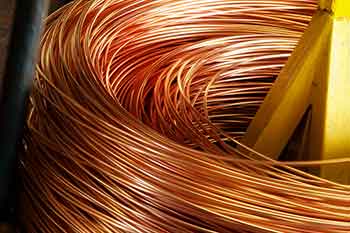
- #2Base metals: This mainly means copper, lead and zinc, which have a lower value. Refined forms of these metals are commonly traded on world markets. These are the basic building materials for much of the world around us.
- #3Ferrous metals: Those with a high iron content, which includes all types of steel. Chromium, cobalt, manganese and molybdenum are commonly included in this group because their major use is to improve the properties of steel.
- #4Non-ferrous metals: This includes aluminium, copper, lead, magnesium, nickel, tin and zinc, since they have principal uses unrelated to steelmaking. Note that there is some overlap with the base metals group – the choice of the group depends on the context.
- #5Rare earth metals: These are not actually all that rare but their extraction is complex and difficult. They include scandium, yttrium, lanthanum and the 14 elements (lanthanides) following lanthanum in the periodic table. They have widespread uses, though in small volume, in the manufacturing of glass, ceramics, glazes, magnets, lasers and television tubes, as well as in refining petroleum.